
Protein: What It Is, Why It Matters, and How to Use It Properly
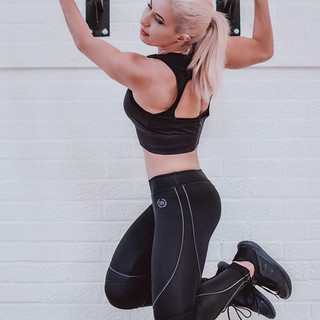
As a Personal Trainer at MBSFlow, Los Pacos, Fuengirola I am often asked: “Do I really need protein shakes?”
The answer depends on your lifestyle, your training, your life stage, and your overall nutrition.
What is protein?
Protein is one of the three main macronutrients your body needs.It is made up of amino acids, which are essential for building and repairing tissues.
Protein supports:
Muscle repair and growth
Recovery after exercise
Maintenance of lean body mass
Whether you are joining a Strength and Conditioning Flow, improving mobility, or just starting your fitness journey, protein plays a key role in how your body adapts.
Wholefood protein sources
Your foundation should always be whole foods.
Examples include:
Chicken, turkey, lean meats
Fish and seafood
Eggs
Greek yogurt
Beans, lentils, chickpeas
Tofu, tempeh, edamame
Quinoa, nuts and seeds
Always prioritise a balanced, realistic approach to nutrition before introducing supplements.
Protein shakes
Protein shakes are a convenient way to increase your protein intake when needed.
They are useful when:
You are short on time
You struggle to meet daily protein requirements
You want a quick post-workout option
For example, after joining Strength and Conditioning Flow, a protein shake can be a simple way to support muscle recovery without overcomplicating your routine.
At MBSFlow, we are partnered with USANA, offering high-quality protein products for clients who want a reliable supplement.
They are not a replacement for meals, but a practical support tool.
Common protein myths
Protein is often misunderstood.
“Protein shakes are only for bodybuilders”This is incorrect. Many of our clients in small group classes at benefit from improving their protein intake.
“More protein means more muscle”Your body uses what it needs. Balance and consistency matter more.
“Protein shakes make you bulky ”Your training style, total calorie intake, and lifestyle determine that — not protein alone.
Why protein matters in a balanced diet
Protein supports more than just muscle.
It helps:
Maintain lean mass
Support fat loss by increasing satiety
Stabilise energy levels
Improve recovery between sessions
This is particularly important if you attend regular sessions such as TRX & Kettlebell Flow, Step Into Flow, or Total Body Flow, where your body is consistently adapting to training.
Protein in the morning: mood, energy, and hunger
Starting your day with protein can significantly affect how you feel.
Mood and energy
Protein helps stabilise blood sugar levels, supporting:
More consistent energy
Better focus
Reduced irritability
This is especially helpful if you are heading into a morning session or managing a busy day.
Hunger and cravings
Protein increases satiety and can:
Reduce snacking
Help control sugar cravings
Support more balanced eating throughout the day
A low-protein breakfast often leads to energy crashes and increased hunger later.
When should you take protein?
Useful timings include:
After training, to support recovery
In the morning, to improve satiety and energy
Between meals, to maintain consistent intake
After a Strength and Conditioning Flow or Total Body Flow, including protein can help your body recover and prepare for the next session.
How much protein do you need?
General guidelines:
Sedentary individuals: around 0.8g per kg body weight
Active individuals: around 1.2–2.0g per kg
For example, a 60kg person may require approximately 75–120g per day depending on activity level.
If you are training regularly, your needs will likely sit in the higher range.
What protein source should you choose?
This depends on your digestion, preferences, and lifestyle.
Whey protein: fast absorbing and ideal after sessions like Strength and Conditioning Flow.
Casein protein: slower digestion, useful for longer recovery periods.
Plant-based protein blends: a good alternative for those who do not tolerate dairy well.
Examples include:
Pea protein
Rice protein
Hemp protein
Soy protein
Mixed blends (pea + rice for a more complete amino acid profile)
Protein, training, and recovery (including massage)
Training creates stress on the body. Recovery is where progress happens.
Protein supports
Muscle repair
Tissue recovery
Adaptation to training
When combined with sports massage at MBSFlow, adequate protein intake may support:
Reduced muscle soreness
Improved recovery between sessions
Better tissue repair
This is particularly valuable if you are attending multiple sessions per week or increasing your training intensity.
Protein and hormonal health (Menopause & PMDD)
Protein becomes increasingly important during hormonal changes.
Menopause
Hormonal shifts can lead to:
Loss of muscle mass
Slower metabolism
Increased fat storage
Strength training combined with adequate protein intake, helps:
Preserve muscle
Support metabolism
Improve overall strength
PMDD
For women experiencing PMDD, stable blood sugar is important.
Including protein regularly throughout the day may help:
Reduce energy crashes
Support more stable mood
Minimise intense hunger and cravings
A consistent training routine, combined with balanced nutrition, can support overall wellbeing.
Protein shakes and pregnancy
During pregnancy, protein requirements increase to support:
Baby’s development
Maternal tissue changes
Overall health
Wholefood sources should always come first.
Protein shakes can be useful when:
Appetite is low
You need something quick and practical
You are balancing training and daily life
However, quality and safety are essential, and supplements should always be discussed with a healthcare professional.
We support pre and postnatal clients with a safe, structured, and realistic approach to training and nutrition.
The MBSFlow approach
We do not follow extremes or trends.
We focus on:
Consistency
Balance
Practical strategies for real life
Protein shakes are not essential, but they can be a useful tool when they support your routine — whether that is after a class, between clients, or during a busy day.
Train smarter in Fuengirola
At MBSFlow in Los Pacos, Fuengirola, we offer:
Small group training
Personal training
Sports massage
Pre and postnatal coaching
Individual guidance
Still confused? Get in touch and we guide you based on what works best for your body and routine.
Train. Recover. Flow.


Comments